EN · 6 Stories at this place✨ 3D & WebXR AR
Điện Hải Citadel
The monument's reading entry. No surveyed coordinates are attached; use this entry for interpretation, not on-site navigation.
Explore 3D & AR Mode →da nang
A source-linked reading preview: eight stories about the monument, architecture, wartime memory and objects. Editorial summaries have not received heritage-expert approval. Surveyed directions, confirmed opening hours and licensed audio narration are not yet available.
Download full heritage info, maps & stories for off-grid on-site exploration.
Select download scope:
Spatial context
Open a POI to see stories published for that exact context.
Published POIs do not have coordinates to display on the map yet.
Skip to the complete POI listCalculate accessible pedestrian paths between entrances and points of interest.
EN · 6 Stories at this place✨ 3D & WebXR AR
The monument's reading entry. No surveyed coordinates are attached; use this entry for interpretation, not on-site navigation.
Explore 3D & AR Mode →EN · 2 Stories at this place
An architectural feature of the monument. Its present extent and visitor access points have not been surveyed by this project.
Explore this point →Historical Archive & Archaeology
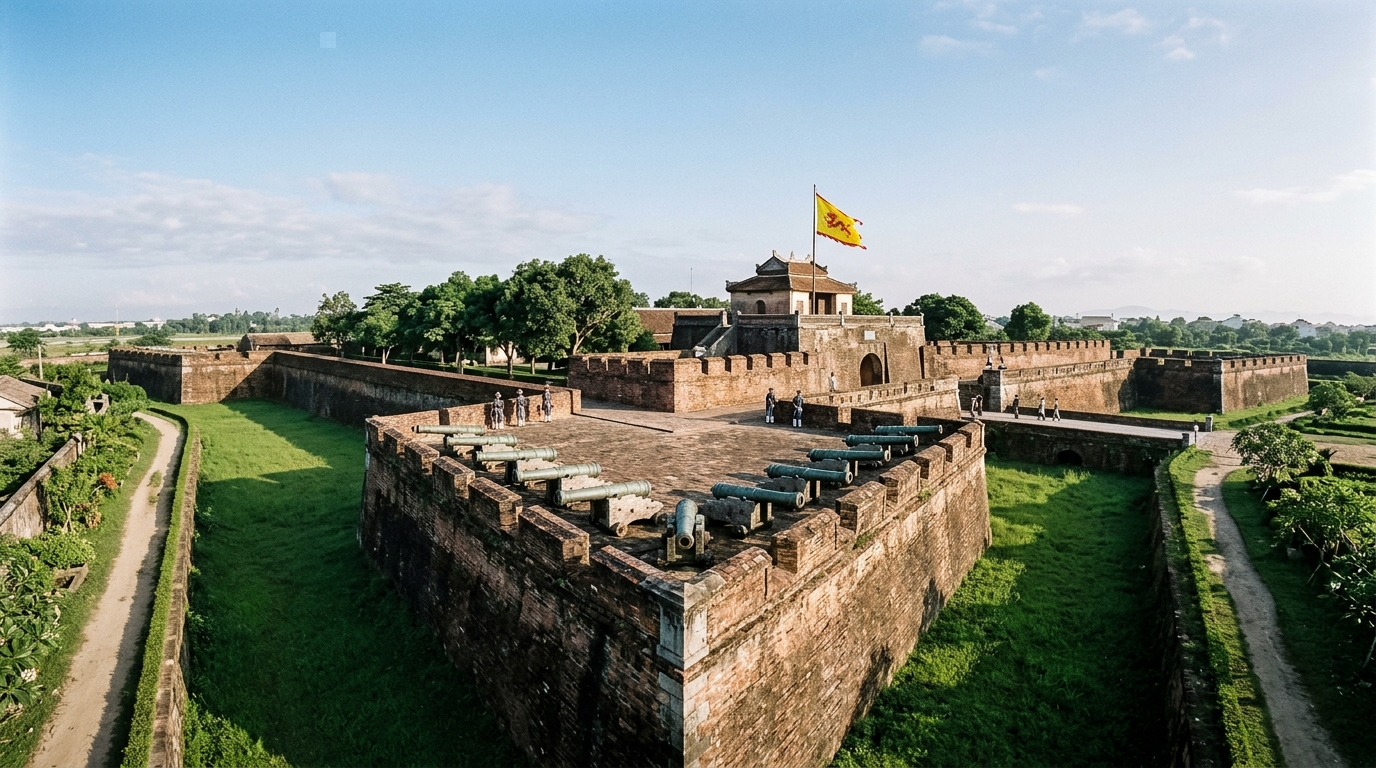
The only special national monument in Da Nang preserving the authentic Nguyen Dynasty Vauban military fortress layout and anti-colonial cannon battery from the 1858 battle.
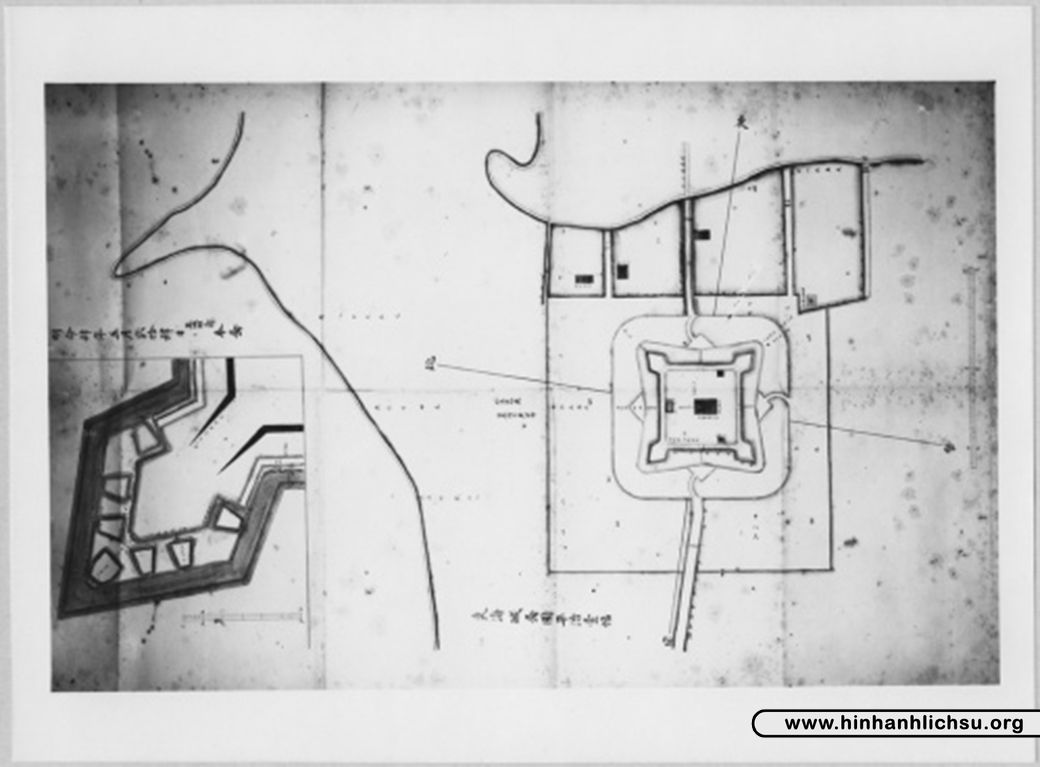
Initially constructed as an earthen fortification near the estuary to control shipping channels and maritime borders.
Relocated inland and rebuilt in masonry with a 556m perimeter, 5m high walls, a 3m deep moat, and 4 geometric star bastions.
Under General Nguyen Tri Phuong, defenders held the fortress, halting French naval advance and defeating the blitzkrieg invasion strategy.
Designated as a Special National Monument; restored with archeological excavations, preserving original bronze cannons and fortress ramparts.
Visitor guide
Reviewed and published interpretation for your visit.
EN
A real object whose identification remains incomplete.
Read the storyEN
Discovery location is not the same as presumed origin.
Read the storyEN
Designation and the later award ceremony are separate dates.
Read the story